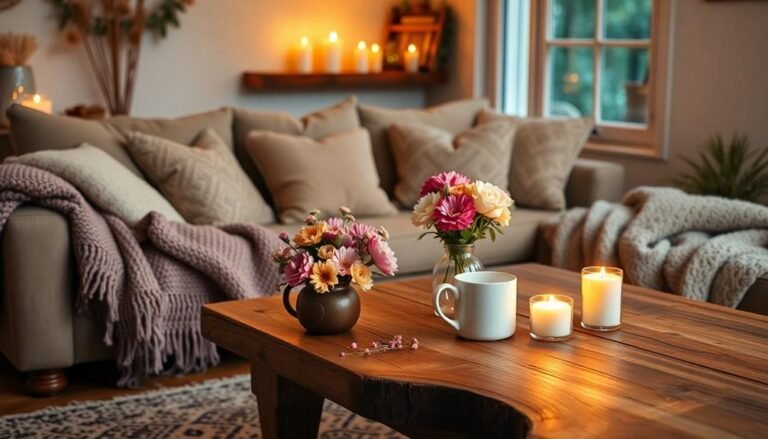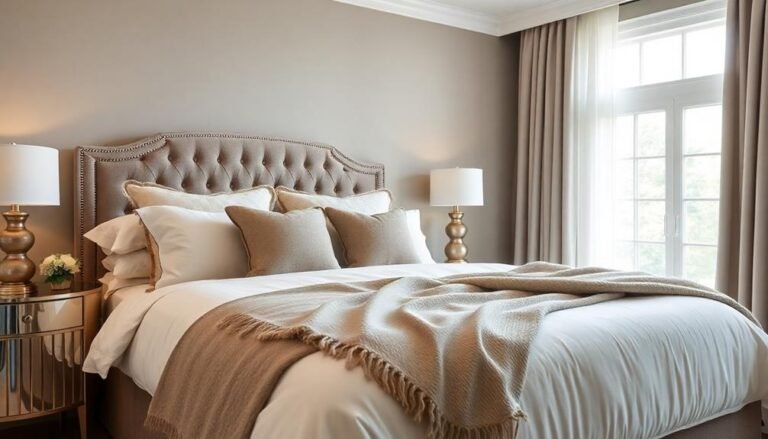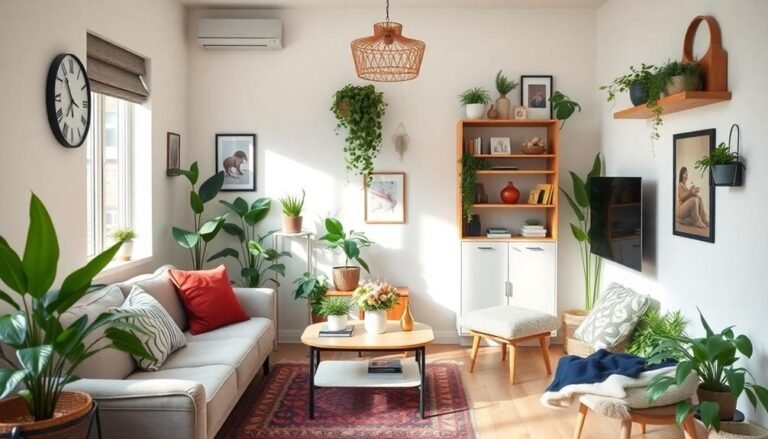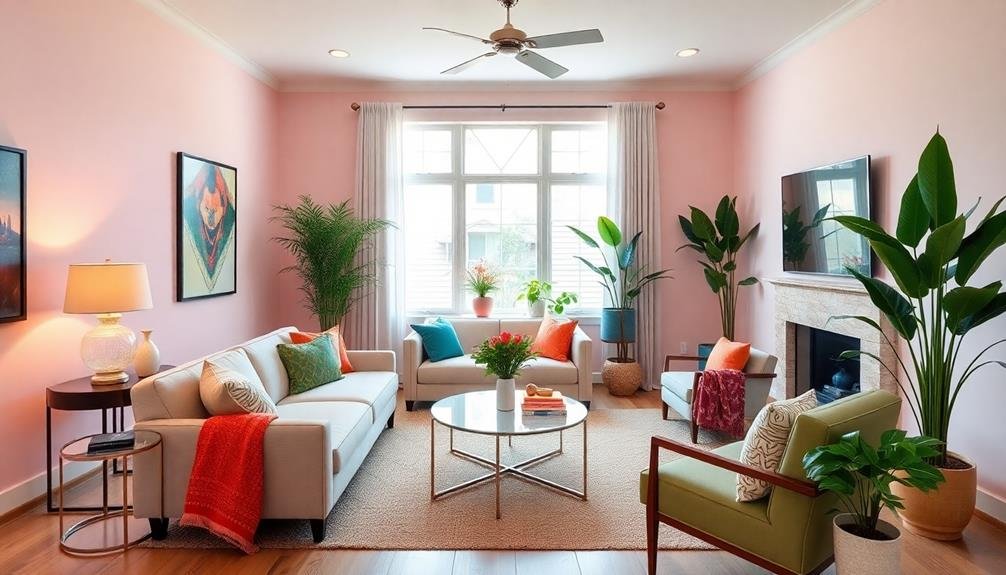
To create a fresh, buyer-ready look, start by choosing colors that reflect your desired mood. Soft neutrals like grays and beiges serve as clean backdrops, allowing you to add accent colors for personality. Warm, inviting hues enhance curb appeal, especially on doors. Consider the psychology of color; calming blues or vibrant reds can evoke specific feelings. Testing colors in different lighting guarantees they meet your expectations. Finally, accessorize to enrich your color palette, using complementary textures for visual depth. By thoughtfully coordinating colors throughout your space, you can create a harmonious environment that captivates potential buyers. More tips await!
The Psychology of Color
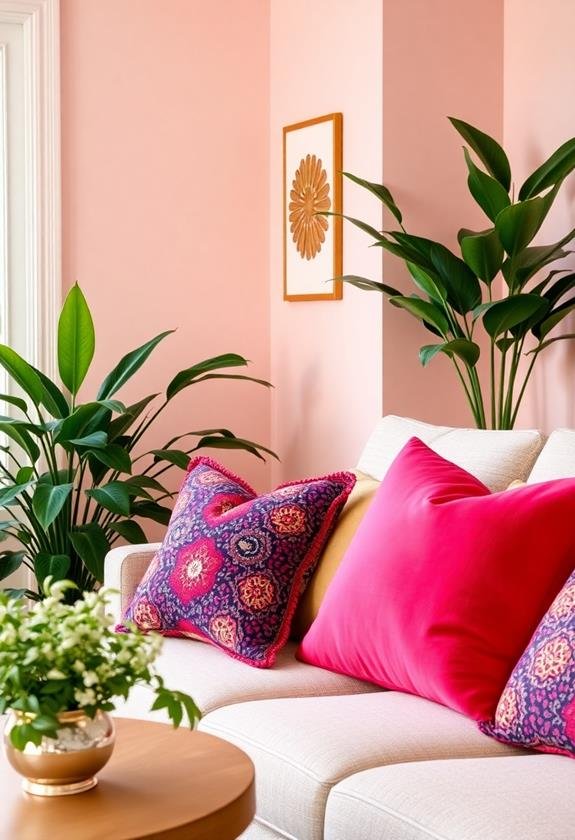
Color influences your emotions and decisions more than you might realize. When you walk into a room painted in soothing blues, you might instantly feel calmer and more at ease. On the other hand, vibrant reds can evoke feelings of excitement or urgency. This connection between color and emotion plays an essential role in how you perceive your environment and can greatly influence your choices, especially when it comes to buying decisions.
For instance, studies show that people are more likely to purchase items in stores that use warm colors, as these shades create a welcoming atmosphere. Similarly, neutral tones often make spaces feel more spacious and clean, appealing to buyers searching for a fresh start.
Understanding the psychology of color isn't just about aesthetics; it's a strategic tool that can enhance the overall appeal of your space. When you choose colors thoughtfully, you can create an inviting atmosphere that resonates with potential buyers. By tapping into the emotional responses that colors elicit, you'll be better equipped to make decisions that not only reflect your style but also attract the right audience.
Choosing a Color Palette
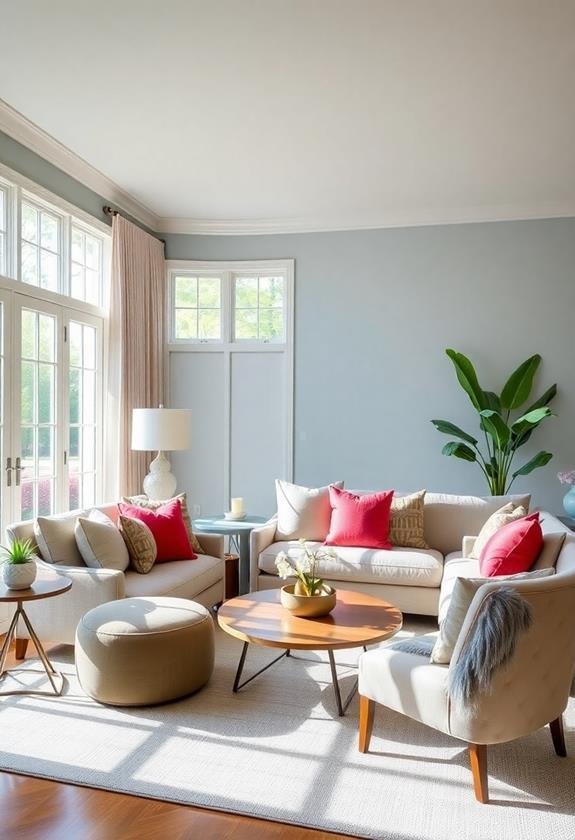
When selecting a color palette for your space, it's vital to reflect on the overall mood you want to create. Consider whether you want a serene and calming atmosphere or a vibrant and energetic one. For instance, soft blues and greens can evoke peace, while bold reds and yellows can inspire excitement. Incorporating warm earthy tones into your palette can further enhance the inviting nature of your space.
Next, think about the existing elements in your room, such as furniture and flooring. You'll want your chosen colors to complement these features, creating a harmonious look. A good rule of thumb is to select a primary color, then choose two or three accent colors that work well together.
Using a color wheel can simplify this process; colors that are adjacent or opposite each other often pair beautifully. For example, pairing a warm beige with a cool teal can create a stunning contrast that adds depth to your space.
Lastly, don't forget to test your colors in different lighting conditions. Colors can appear drastically different depending on natural or artificial light, so swatch samples in various areas to confirm you're satisfied before making a final decision. By thoughtfully choosing your color palette, you'll create a space that feels fresh and inviting.
Enhancing Curb Appeal
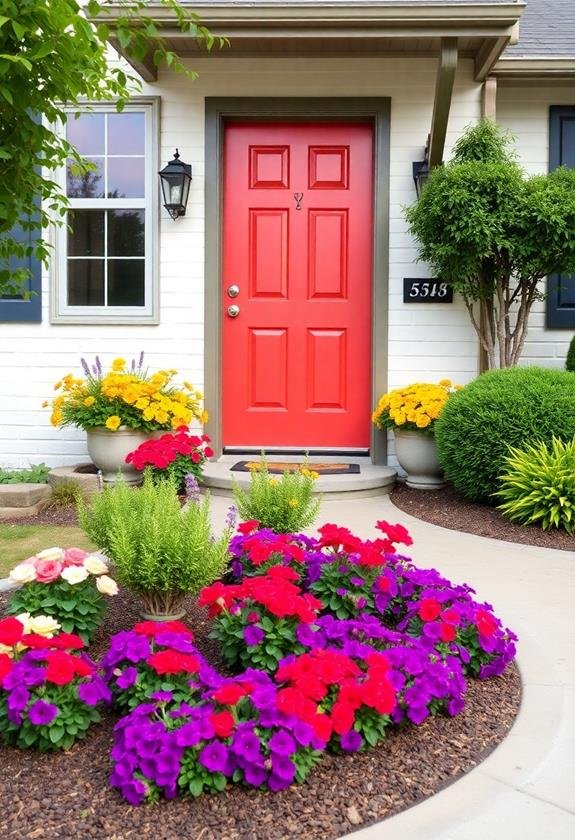
Boosting your home's curb appeal can make a significant difference in attracting potential buyers. One of the simplest ways to enhance your exterior is by choosing a fresh, inviting color for your front door. A bold hue, like a vibrant red or deep blue, can create a focal point that draws the eye and invites curiosity. Additionally, incorporating seasonal elements like beautiful fall wreaths can add warmth and charm, making your entrance more inviting.
Next, consider the trim and siding. A well-coordinated color scheme, such as soft neutrals with darker accents, creates a harmonious look that feels polished and appealing. You can also use color to highlight landscaping features, like painting pots or garden fences in shades that complement your home.
Don't forget about your mailbox and house numbers; these small details can make a big impact. Repainting or replacing them with stylish options can enhance your home's overall aesthetic.
Interior Color Strategies
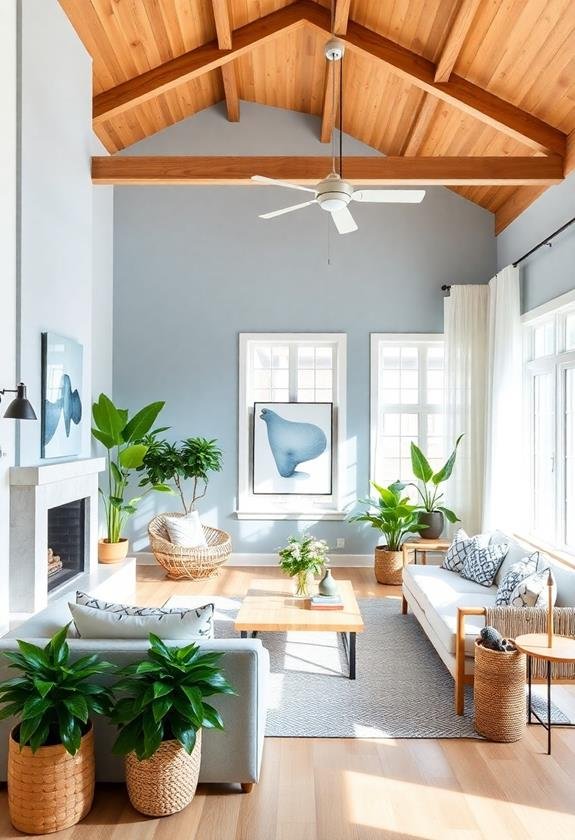
Transforming your interior spaces with thoughtful color choices can dramatically influence a buyer's perception of your home. Start by choosing neutral shades like soft grays, beiges, or whites, which create a clean, inviting canvas. These colors not only appeal to a wide range of tastes but also make spaces feel larger and brighter. Incorporating elements of biophilic design can further enhance the serenity and appeal of your spaces, emphasizing a connection to nature.
Consider incorporating accent colors to add personality without overwhelming potential buyers. For instance, a soft blue or muted green can evoke calmness in a bedroom, while a warm terracotta can create a cozy atmosphere in a living room. Remember, the goal is to create a harmonious flow throughout your home, so verify that the colors you choose complement each other.
Pay attention to the lighting in each room, as it can greatly affect how colors appear. Natural light tends to enhance softer hues, while artificial lighting can sometimes distort them. Finally, don't forget about the ceilings; a fresh coat of white or light color can make your spaces feel more open and airy. By implementing these interior color strategies, you'll create a fresh, buyer-ready look that invites prospective homeowners to envision themselves living in your space.
Final Touches With Accessories
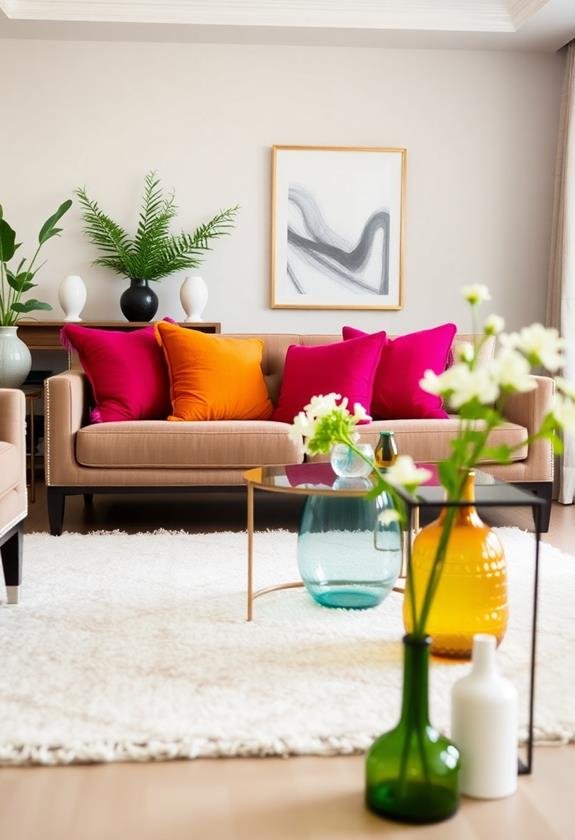
Accessories play a significant role in enhancing the color choices you've made in your home, helping to tie everything together and create a cohesive look. When selecting accessories, think about how they complement your chosen color palette. For instance, if you've painted your walls a soft blue, consider incorporating throw pillows or artwork featuring shades of blue, white, or even contrasting colors like yellow for a pop of vibrancy.
Don't underestimate the power of texture. A woven basket or a metallic vase can add depth and interest to your space, drawing the eye and encouraging engagement. When arranging your accessories, aim for balance; too many items can feel cluttered, while too few can seem sparse.
Consider also the scale of your accessories. Larger pieces can anchor a room, while smaller items can fill in gaps without overwhelming the design. For example, a large piece of wall art can serve as a focal point, while smaller decorative items on a coffee table can enhance the overall aesthetic.
Ultimately, the right accessories can transform your space, making it feel fresh and inviting, ready to impress potential buyers.
Frequently Asked Questions
How Does Lighting Affect Color Perception in a Home?
Lighting greatly influences how you perceive color in your home. Natural light brings out vibrant hues, while artificial lighting can alter shades, sometimes making them appear warmer or cooler. For example, a soft white bulb might enhance a room's calming colors, while a yellow-tinted light can dull them. Experimenting with different light sources can help you find the right balance, ensuring your space looks inviting and well-coordinated, regardless of the time of day.
What Are Trending Colors for Homes in 2023?
Have you ever noticed how certain colors can evoke feelings of warmth or calmness? In 2023, trending colors for homes include earthy tones like terracotta and sage green, which create a cozy atmosphere. Soft pastels, such as blush pink and light blue, are also popular, adding a touch of serenity. These colors not only enhance aesthetics but also promote a welcoming environment, making your space feel fresh and inviting for both you and your guests.
Can Color Impact the Resale Value of a Property?
Yes, color can greatly impact the resale value of your property. When potential buyers walk through your home, the colors they see can evoke emotions and influence their perception. Neutral tones, like soft grays and beiges, often appeal to a wider audience, making spaces feel larger and more inviting. In contrast, bold colors might not resonate with everyone, potentially limiting your buyer pool. Choosing the right palette can enhance your home's overall marketability and value.
How Often Should I Repaint My Home for Freshness?
They say, "A fresh coat of paint never hurt anyone." You should repaint your home every 5 to 7 years to keep it looking vibrant. However, consider factors like wear and tear, color trends, and personal preference. If rooms show signs of fading or damage, it's time for a touch-up. Regularly evaluating your space guarantees a welcoming atmosphere, which can also be appealing if you ever decide to sell your home.
Are There Color Combinations to Avoid for Selling?
When selling a home, it's essential to avoid certain color combinations. Bright, clashing colors can overwhelm potential buyers, making spaces feel chaotic. Instead, steer clear of dark, moody hues that might create a gloomy atmosphere. For example, pairing deep red with dark green can feel jarring. Opt for neutral tones like soft grays or warm beiges, which appeal to a broader audience and help buyers envision their own style in the space.